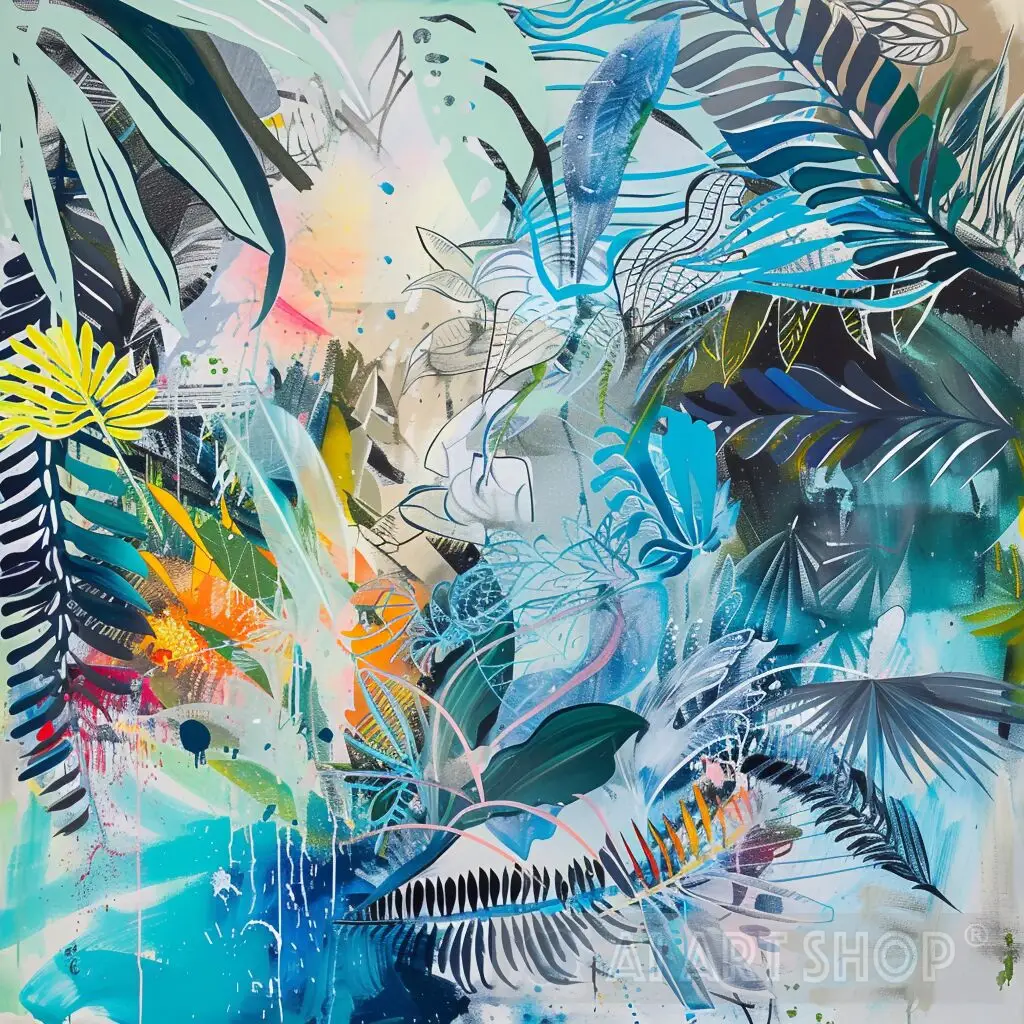
Outside the Window
This painting, titled "Outside the Window," presents a warm and poetic scene. Below is a professional critique from an artistic perspective:
1. Composition and Space
The painting uses the window as the main structural frame, skillfully integrating the indoor and outdoor spaces. The potted flowers on the windowsill serve as the visual focal point, while the blurred greenery outside and the delicate butterfly create a layered background, making the composition feel airy and natural. The vertical and horizontal lines of the window frame provide stability, while the organic growth of the flowers and the fluttering butterfly break the rigidity, adding liveliness to the scene.
2. Light and Color
The artist effectively employs chiaroscuro (the contrast between light and shadow) to create a dramatic interplay of illumination, particularly the sunlight filtering through the window onto the sill. The warm golden sunlight contrasts with the cooler background tones, highlighting the vibrant hues of the flowers and making them more vivid and eye-catching.
3. Texture and Brushwork
The brushstrokes are delicate and expressive, capturing the textures of different materials such as the wooden window frame, louvered shutters, and terracotta pot with great realism. The petals are painted with loose, impressionistic strokes, enhancing their natural appearance, while the hazy glow on the window glass conveys the moist air and soft morning light.
4. Atmosphere and Emotional Expression
The artwork evokes a sense of tranquility and warmth, symbolizing a longing for nature and an appreciation of life's beauty. The contrast between the interior, representing human habitation, and the exterior, representing the freedom of nature, is thoughtfully presented. The butterfly serves as a symbol of hope, freedom, and the transient beauty of life, subtly emphasizing the connection between humans and nature.
5. Artistic Style and Influence
This painting blends elements of Impressionism and Realism. The handling of light and atmosphere is reminiscent of Monet’s works, while the meticulous depiction of textures reflects influences from 19th-century European Realism. Rather than over-detailing, the artist focuses on mood and ambiance, allowing the viewer to immerse themselves in the painting’s serenity and beauty.
Conclusion
"Outside the Window" is a poetic and emotionally evocative painting. Through its masterful combination of light, color, and composition, it expresses a deep appreciation for both nature and everyday life. From both a technical and artistic standpoint, this piece demonstrates a high level of craftsmanship and successfully resonates with the viewer.Product Information
Product Information
Shipping & Returns
Shipping & Returns

Outside the Window
Outside the Window
This painting, titled "Outside the Window," presents a warm and poetic scene. Below is a professional critique from an artistic perspective:
1. Composition and Space
The painting uses the window as the main structural frame, skillfully integrating the indoor and outdoor spaces. The potted flowers on the windowsill serve as the visual focal point, while the blurred greenery outside and the delicate butterfly create a layered background, making the composition feel airy and natural. The vertical and horizontal lines of the window frame provide stability, while the organic growth of the flowers and the fluttering butterfly break the rigidity, adding liveliness to the scene.
2. Light and Color
The artist effectively employs chiaroscuro (the contrast between light and shadow) to create a dramatic interplay of illumination, particularly the sunlight filtering through the window onto the sill. The warm golden sunlight contrasts with the cooler background tones, highlighting the vibrant hues of the flowers and making them more vivid and eye-catching.
3. Texture and Brushwork
The brushstrokes are delicate and expressive, capturing the textures of different materials such as the wooden window frame, louvered shutters, and terracotta pot with great realism. The petals are painted with loose, impressionistic strokes, enhancing their natural appearance, while the hazy glow on the window glass conveys the moist air and soft morning light.
4. Atmosphere and Emotional Expression
The artwork evokes a sense of tranquility and warmth, symbolizing a longing for nature and an appreciation of life's beauty. The contrast between the interior, representing human habitation, and the exterior, representing the freedom of nature, is thoughtfully presented. The butterfly serves as a symbol of hope, freedom, and the transient beauty of life, subtly emphasizing the connection between humans and nature.
5. Artistic Style and Influence
This painting blends elements of Impressionism and Realism. The handling of light and atmosphere is reminiscent of Monet’s works, while the meticulous depiction of textures reflects influences from 19th-century European Realism. Rather than over-detailing, the artist focuses on mood and ambiance, allowing the viewer to immerse themselves in the painting’s serenity and beauty.
Conclusion
"Outside the Window" is a poetic and emotionally evocative painting. Through its masterful combination of light, color, and composition, it expresses a deep appreciation for both nature and everyday life. From both a technical and artistic standpoint, this piece demonstrates a high level of craftsmanship and successfully resonates with the viewer.Original: $39.00
-65%$39.00
$13.65Product Information
Product Information
Shipping & Returns
Shipping & Returns
Description
This painting, titled "Outside the Window," presents a warm and poetic scene. Below is a professional critique from an artistic perspective:
1. Composition and Space
The painting uses the window as the main structural frame, skillfully integrating the indoor and outdoor spaces. The potted flowers on the windowsill serve as the visual focal point, while the blurred greenery outside and the delicate butterfly create a layered background, making the composition feel airy and natural. The vertical and horizontal lines of the window frame provide stability, while the organic growth of the flowers and the fluttering butterfly break the rigidity, adding liveliness to the scene.
2. Light and Color
The artist effectively employs chiaroscuro (the contrast between light and shadow) to create a dramatic interplay of illumination, particularly the sunlight filtering through the window onto the sill. The warm golden sunlight contrasts with the cooler background tones, highlighting the vibrant hues of the flowers and making them more vivid and eye-catching.
3. Texture and Brushwork
The brushstrokes are delicate and expressive, capturing the textures of different materials such as the wooden window frame, louvered shutters, and terracotta pot with great realism. The petals are painted with loose, impressionistic strokes, enhancing their natural appearance, while the hazy glow on the window glass conveys the moist air and soft morning light.
4. Atmosphere and Emotional Expression
The artwork evokes a sense of tranquility and warmth, symbolizing a longing for nature and an appreciation of life's beauty. The contrast between the interior, representing human habitation, and the exterior, representing the freedom of nature, is thoughtfully presented. The butterfly serves as a symbol of hope, freedom, and the transient beauty of life, subtly emphasizing the connection between humans and nature.
5. Artistic Style and Influence
This painting blends elements of Impressionism and Realism. The handling of light and atmosphere is reminiscent of Monet’s works, while the meticulous depiction of textures reflects influences from 19th-century European Realism. Rather than over-detailing, the artist focuses on mood and ambiance, allowing the viewer to immerse themselves in the painting’s serenity and beauty.